

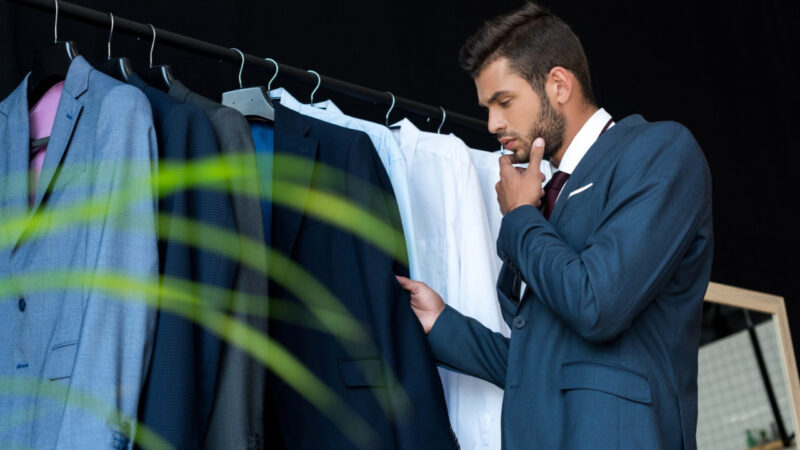
An invitation arrives. There’s a date, a venue, and somewhere near the bottom, two words that suddenly make your wardrobe feel questionable: cocktail attire.
Sound familiar?
Men’s dress codes come with an entire vocabulary of their own. Smart casual, business casual, semi-formal, black-tie optional. Each carries its own expectations, traditions, and unwritten rules.
Knowing what these terms mean makes getting dressed considerably easier. You’ll know which pieces belong together, how formal an occasion is likely to be, and what deserves a place in your wardrobe.
Here’s your guide to navigating the dress codes you’ll encounter throughout your life.
The Men’s Dress Code Cheat Sheet
Start with this quick reference for the essentials.
| Dress Code | What to Wear |
| Casual | T-shirt or polo, jeans, clean sneakers |
| Smart Casual | Knitted polo, chinos, loafers |
| Business Casual | Oxford shirt, tailored trousers, leather shoes |
| Dressy Casual | Blazer, smart trousers, loafers |
| Business Professional | Dark suit, dress shirt, tie |
| Cocktail Attire | Tailored suit, dress shirt, polished shoes |
| Semi-Formal | Suit or tailored separates |
| Black-Tie Optional | Tuxedo or dark formal suit |
| Black Tie | Tuxedo, white evening shirt, black bow tie |
| White Tie | Tailcoat, white waistcoat, white bow tie |
The venue, time of day, and occasion will help you settle on the right details.
Casual: Everyday Style Done Properly

Casual dress allows plenty of freedom. Jeans, T-shirts, polos, overshirts, and sneakers are all familiar territory.
A heavyweight white T-shirt, straight-leg dark denim, and clean suede sneakers make an excellent foundation. A lightweight jacket adds another layer when the weather calls for it.
The go-to outfit: Dark jeans, a quality crewneck T-shirt, minimal sneakers, and a casual overshirt.
Pay attention to fit, fabric quality, and the condition of your clothes. These details give everyday outfits a sense of intention.
Smart Casual: The Modern Man’s Sweet Spot
Smart casual appears on restaurant invitations, at social gatherings, and across many modern workplaces.
Start with chinos or tailored trousers. Add a knitted polo, Oxford shirt, or lightweight merino sweater. Finish with suede loafers, leather derbies, or refined sneakers when the venue permits them.
A softly structured blazer introduces another layer of polish.
A combination worth remembering: Navy trousers, an ecru knitted polo, dark brown loafers, and a textured blazer.
Cotton twill, brushed wool, linen, and fine knitwear bring texture and character to these combinations.
Business Casual: Looking the Part at Work

Business casual has become a familiar standard in offices around the world.
The essentials include collared shirts, tailored trousers, knitwear, and smart footwear.
A light blue Oxford shirt with charcoal wool trousers and brown leather derbies is a dependable combination. During colder months, a fine-gauge crewneck sweater works beautifully over a shirt.
Your workplace culture determines the finer details.
- Traditional offices: Wool trousers, an Oxford shirt, and leather derbies.
- Creative workplaces: Chinos, a knit polo, and minimal sneakers.
- Client-facing meetings: Tailored trousers, a dress shirt, and an unstructured blazer.
One smart investment: A navy unstructured blazer. Its versatility makes it a valuable addition to any professional wardrobe.
Dressy Casual: An Occasion for Personal Style

Dressy casual frequently appears on dinner invitations, birthday celebrations, and relaxed wedding events.
This category offers opportunities to experiment with interesting textures, richer colors, and carefully chosen accessories.
Picture a chocolate-brown suede jacket over a cream knit, worn with tailored charcoal trousers and dark loafers.
A crisp open-collar shirt under a navy blazer is another excellent combination.
Suede, brushed cotton, fine wool, and textured knitwear are particularly useful here. They bring depth to simple silhouettes and give an outfit a considered finish.
Business Professional: The Traditional Suit Territory
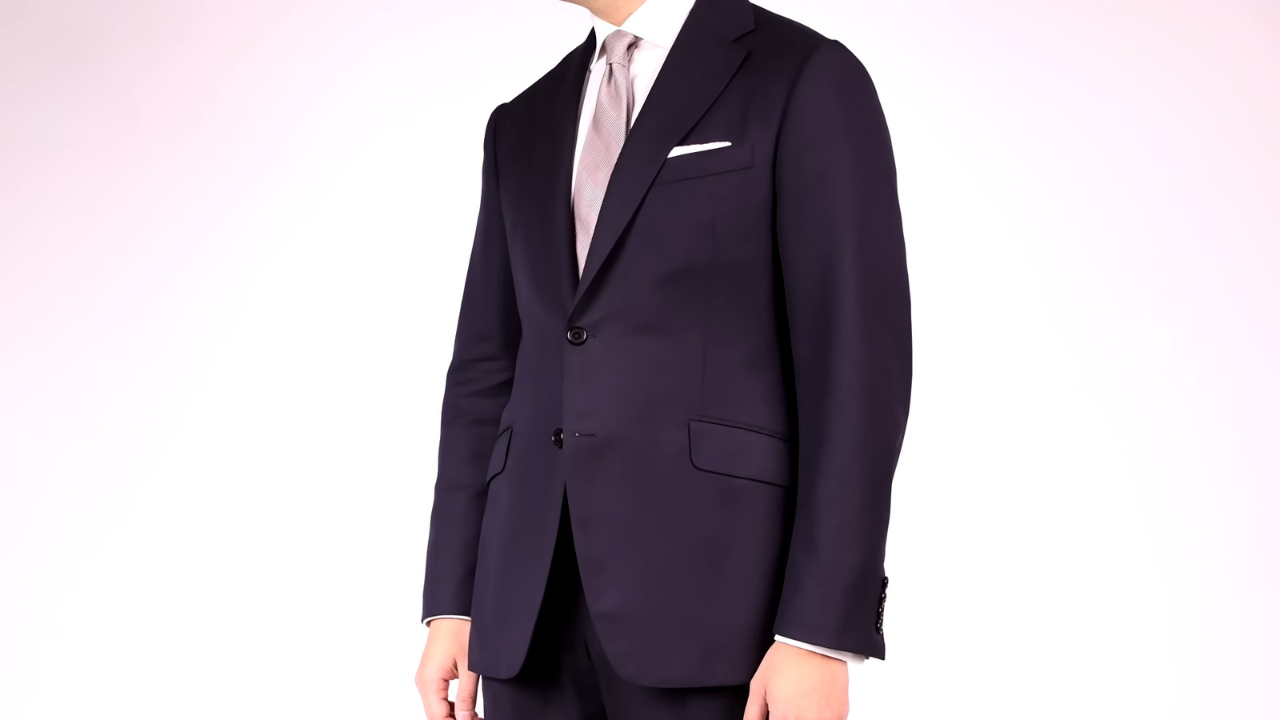
Business professional is common at corporate presentations, formal interviews, important client meetings, and events involving senior leadership.
A navy or charcoal suit should form the foundation. Add a white or pale blue dress shirt, a silk tie, and polished Oxford or derby shoes.
Keep patterns subtle and accessories restrained.
The jacket should sit cleanly across your shoulders. Shirt cuffs should show slightly beneath the sleeves. Trouser length should complement your shoes.
The dependable combination: Charcoal suit, white shirt, navy silk tie, black leather Oxfords.
Good tailoring gives the entire outfit a polished, professional appearance.
Cocktail Attire: Your Social Calendar Suit
View this post on Instagram
Cocktail attire is a mainstay of evening weddings, receptions, parties, and special celebrations.
A well-tailored suit is the safest starting point.
Navy, charcoal, and deep brown are excellent choices. Pair yours with a crisp dress shirt, polished leather shoes, and a tasteful tie when appropriate.
Evening events generally suit darker colors and richer textures. A subtle pocket square can provide an elegant finishing touch.
A dark navy suit, white dress shirt, burgundy silk tie, and polished black Oxfords will take you through countless cocktail events.
For modern cocktail parties, an open collar may be appropriate. Follow the invitation and the atmosphere of the venue.
Semi-Formal: Let the Occasion Guide You
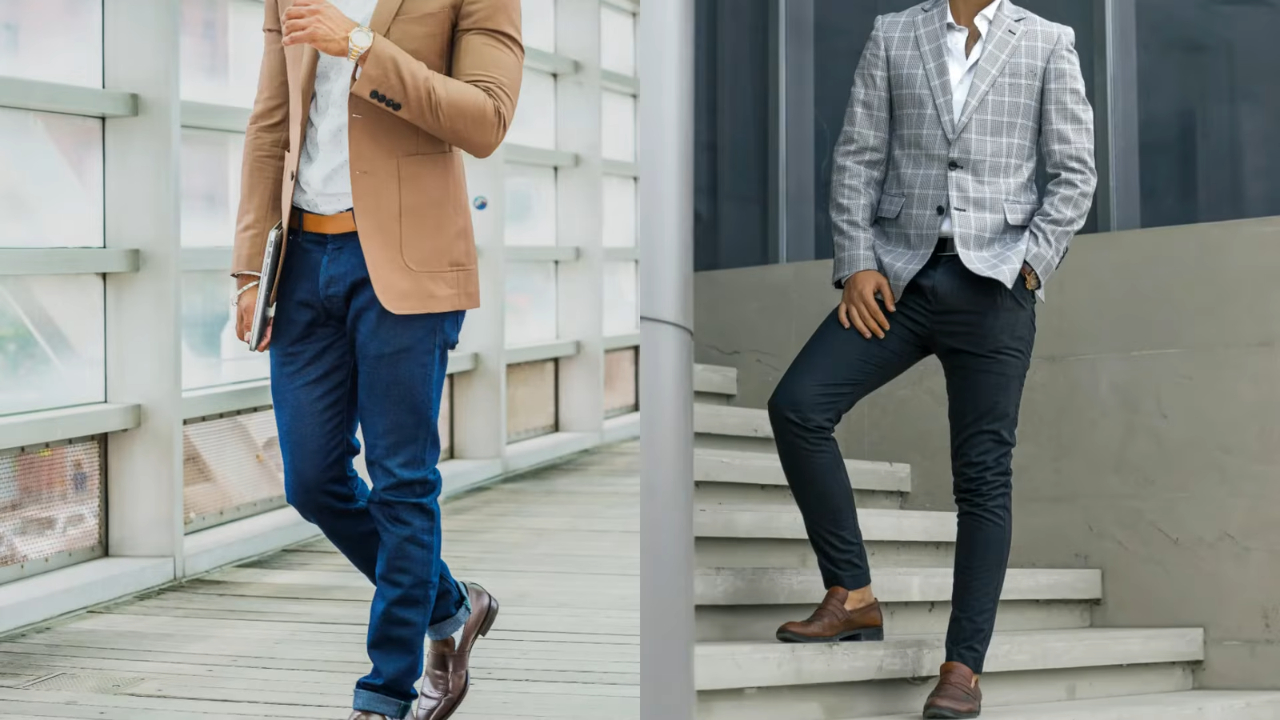
Semi-formal has acquired several interpretations, particularly in contemporary wedding culture.
For most modern social invitations, a suit is a sound choice. Tailored separates can also work in settings with a relaxed atmosphere.
Time of day provides useful direction.
A daytime wedding might call for a light grey suit, pale blue shirt, and brown leather shoes. An evening celebration suits charcoal or navy tailoring with dark footwear.
A classic navy suit and tie is a dependable choice for invitations with limited detail.
Formal and Black-Tie Optional: An Invitation to Dress Up
@parkeryorksmith Replying to @lucasvail easy formula, works like a charm #wedding #outfits #styleinspo ♬ Caution – KAYTRANADA
At many contemporary weddings, formal attire calls for a dark suit, dress shirt, tie, and polished shoes. Expectations vary according to the host and local traditions.
Black-tie optional provides two established choices: a traditional tuxedo or a dark formal suit.
For the suit option, build your outfit around these essentials:
- Dark navy, charcoal, or black tailoring
- Crisp white dress shirt
- Conservative silk tie
- Polished black leather dress shoes
Pay particular attention to grooming, tailoring, and accessories. Every element should contribute to a cohesive appearance.
Black Tie: The Eveningwear Standard
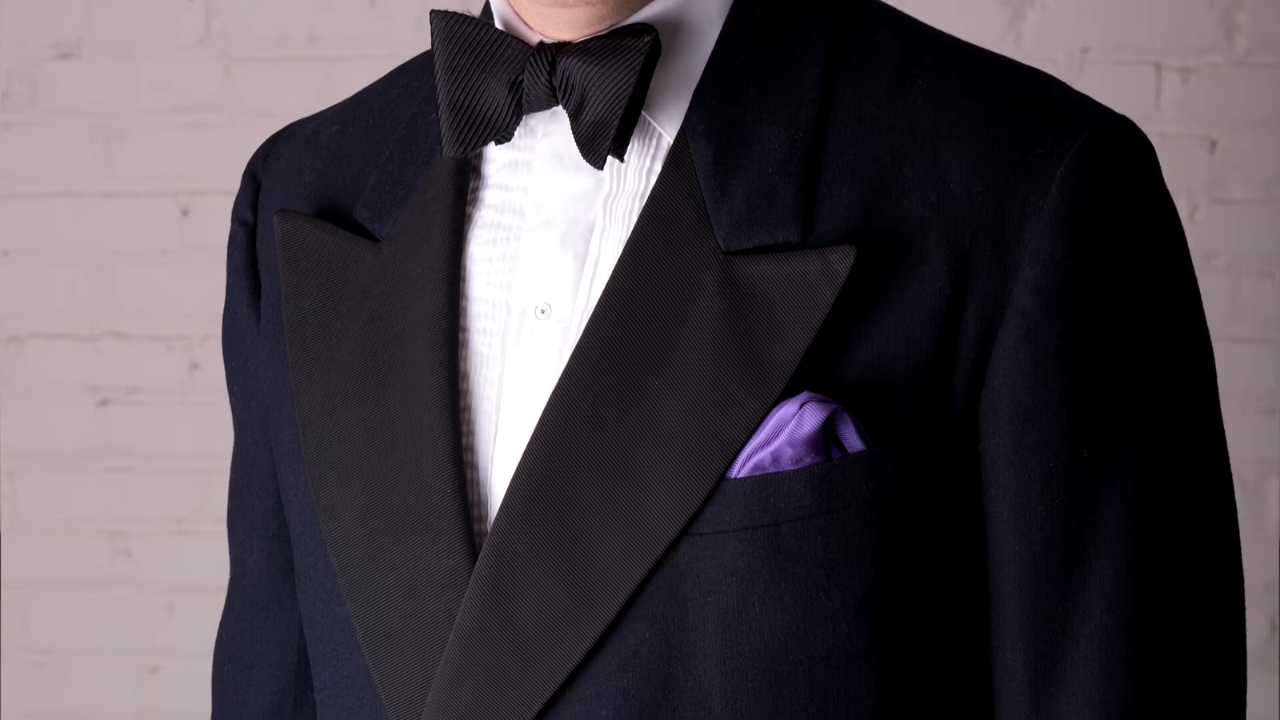
Black tie is a traditional evening dress code with established requirements.
The central piece is a dinner jacket, traditionally black or midnight blue, featuring silk-faced lapels. It accompanies matching formal trousers, a white evening shirt, and a black bow tie.
A cummerbund or low-cut formal waistcoat completes the classic look.
Black patent leather shoes are a traditional option. Highly polished black formal shoes also work.
A properly fitted tuxedo has a distinctive elegance. Clean lines, balanced proportions, and carefully chosen details create an impressive result.
Specialist formalwear rental is a practical option for men attending these events occasionally.
Arrange a fitting in advance to ensure everything sits correctly.
White Tie and Morning Dress: The Ceremonial Wardrobe
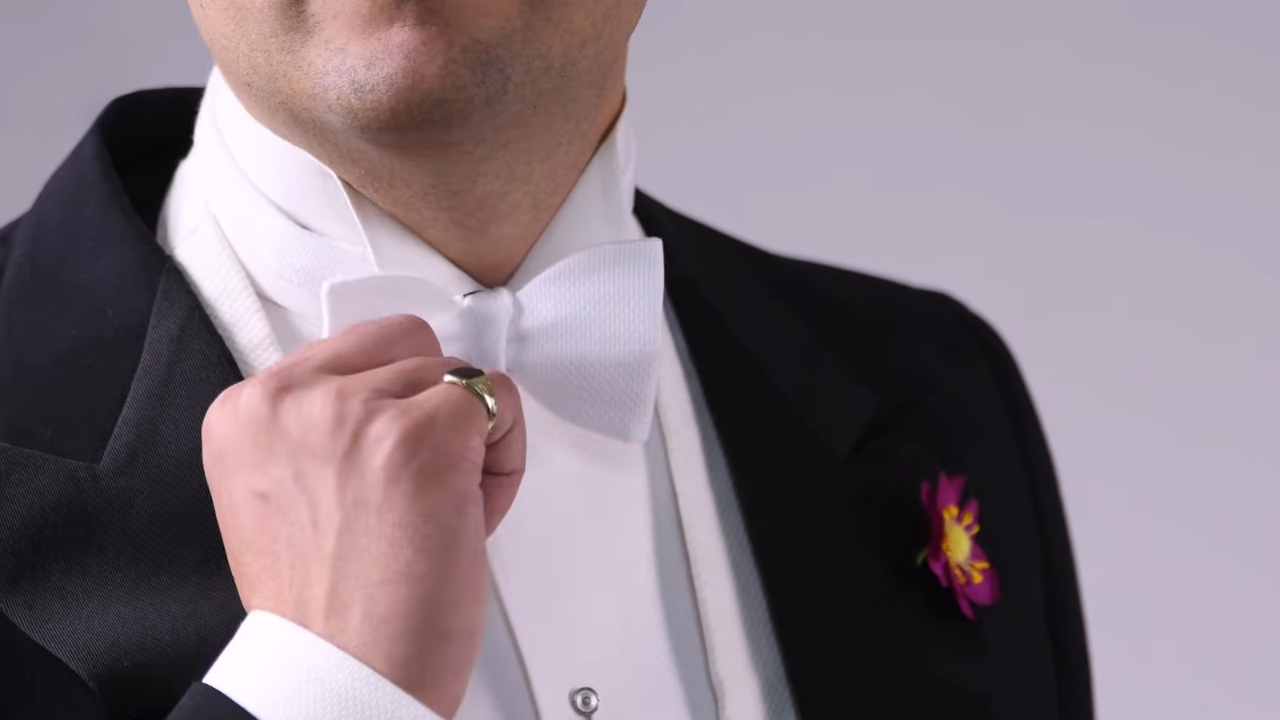
White tie represents the highest level of traditional evening formality.
It appears at select state occasions, diplomatic functions, and ceremonial gatherings.
The required outfit includes a black evening tailcoat, formal trousers, a stiff-front white dress shirt, a white waistcoat, a white bow tie, and appropriate formal shoes.
Morning dress is associated with formal daytime occasions, including certain traditional weddings and ceremonial events.
Its signature pieces include a morning coat, formal trousers, waistcoat, dress shirt, and tie.
Both traditions have specific conventions. Specialist tailors and formalwear outfitters can help you navigate the details.
Modern Dress Codes That Need a Little Interpretation
Invitations occasionally feature more imaginative wording.
Creative black tie allows individuality within formal eveningwear. An interesting dinner jacket or carefully chosen accessories may be appropriate.
Festive attire encourages seasonal colors and fabrics. Velvet jackets, rich knitwear, and refined accessories work particularly well.
Beach formal calls for breathable tailoring and footwear suited to the location. A lightweight linen or tropical-wool suit is worth considering.
The venue and hosts remain your most useful guides.
Five Habits of Men Who Always Dress Appropriately
A few dependable habits make navigating dress codes easier.
- Check the venue. Its atmosphere provides useful clues about the expected level of dress.
- Consider the time of day. Evening occasions frequently call for darker colors and dressier details.
- Prioritize fit. Good proportions elevate every outfit.
- Take care of your shoes. Clean, polished footwear brings an outfit together.
- Ask when necessary. A quick question to the host can clear up an ambiguous invitation.
Summary
A well-planned wardrobe prepares you for the occasions that matter.
A dependable navy suit, versatile tailoring, quality shirts, and a considered selection of shoes will cover a remarkable number of invitations.
Build your collection gradually, choosing pieces that suit your lifestyle and personal taste.
Familiarity with dress codes brings confidence to the process of getting ready. You’ll recognize what an occasion calls for, know which pieces to reach for, and enjoy putting everything together.
That’s a satisfying feeling when you’ve got somewhere worth going.